Flow meters rarely create problems at startup. Issues surface later, after process conditions drift, maintenance shortcuts accumulate, or integration assumptions prove wrong. By then, the measurement is embedded in control logic, reports, and energy calculations, and questioning it becomes disruptive. The risk is not just a bad reading; it’s building decisions on data that quietly lost credibility.
This article helps you validate flow meter manufacturer choices against real operating realities. It breaks down how different manufacturers tend to perform across applications, where general solutions work, and where specialization matters. It'll help you reduce selection risk by clarifying tradeoffs, long-term implications, and fit, so decisions feel defensible before and after installation.
Summary
Leading brands differ significantly in technology focus, application strength, integration depth, and long-term support, which directly affects performance in real plants.
Most flow measurement problems surface after commissioning, through drift, integration issues, maintenance burden, or service limitations that affect operations and energy tracking.
Major manufacturers excel across Coriolis, magnetic, ultrasonic, and vortex technologies, making them suitable for many standard industrial use cases.
High temperature, phase behavior, and energy accountability introduce constraints that standard flow meter technologies do not always handle well.
Beyond the top 10, niche players like MAC Instruments are relevant where steam flow and moisture-linked measurement are critical to process control, efficiency, or compliance.
Top 10 Flow Meter Manufacturers for Industrial Applications
These manufacturers combine proven flow technologies, long installed bases, and support ecosystems that can sustain measurement over time. The real differences lie in technology depth, integration maturity, service model, and where each brand tends to perform best in practice.
Endress+Hauser
Endress+Hauser is widely recognized for its depth across electromagnetic, Coriolis, ultrasonic, and vortex flow technologies. Plants often select it where measurement standardization, documentation quality, and long-term service continuity are priorities. It is commonly used in chemical, life sciences, and regulated process environments where traceability and lifecycle support matter as much as the measurement itself.
Emerson
Emerson is frequently evaluated in facilities where flow measurement is tightly coupled with advanced automation and asset management. Its flow portfolio spans Coriolis, magnetic, vortex, and thermal technologies, with strong alignment to plant-wide control architectures. It is often chosen in refining, chemicals, and energy applications where flow data feeds directly into optimization and diagnostics.
Siemens
Siemens is a common choice in plants that prioritize tight integration with PLC- and DCS-centric automation environments. Its flow meters are typically evaluated alongside broader Siemens automation standards, making it attractive for multi-site standardization. It is frequently used in manufacturing, utilities, and infrastructure-heavy industrial operations.
ABB
ABB offers a mature and reliable set of flow measurement technologies designed for demanding industrial conditions. It is often shortlisted in oil & gas, power, and heavy industrial applications where robustness and global project execution are critical. ABB is typically evaluated when flow measurement must perform consistently under harsh operating conditions.
Honeywell
Honeywell’s flow meters are usually considered as part of a broader automation, control, and safety ecosystem. The brand is often selected where flow measurement ties directly into control, safety, or compliance systems already built around Honeywell infrastructure. It appears most frequently in large industrial and energy-focused environments.
Yokogawa
Yokogawa has a strong reputation in continuous process industries for stable measurement and long-term signal consistency. It is commonly used in applications where process continuity and reliability outweigh aggressive optimization. Yokogawa flow meters are often found in petrochemical, chemical, and power generation facilities.
Azbil
Azbil supplies flow measurement solutions used across industrial and factory automation environments. It is typically evaluated for applications requiring dependable measurement without excessive complexity. Azbil often appears in plants looking for solid performance within established automation frameworks.
Badger Meter
Badger Meter is a U.S.-based manufacturer with a strong presence in magnetic, ultrasonic, and selected Coriolis flow technologies. It is frequently used in water, utility, and industrial process applications where domestic manufacturing, service availability, and straightforward integration are valued. Many plants shortlist Badger Meter for reliability and accessibility.
Sierra Instruments
Sierra Instruments focuses on thermal mass, ultrasonic, and vortex flow measurement, with particular relevance to gas and steam-related applications. It is often evaluated when standard liquid-focused technologies are not appropriate. Sierra tends to appear on shortlists for specialized or U.S.-centric industrial flow requirements.
Brooks Instrument / Fluid Components International (FCI)
Brooks Instrument and FCI are known for precision and niche flow solutions, particularly in gas and specialty process applications. They are typically evaluated where flow conditions fall outside common industrial norms or where higher sensitivity and control are required. These brands often complement, rather than replace, broader flow portfolios.
Side-by-Side Comparison: How the Top Manufacturers Differ in Practice
Once the shortlist is formed, the decision usually comes down to fit, not brand recognition. The table below compares the top manufacturers on the factors that tend to drive long-term performance and ownership risk in operating plants.
Manufacturer | Core Strengths | Typical Best Fit | Integration Reality | Where Limitations Appear |
|---|---|---|---|---|
Endress+Hauser | Broad technology depth; strong documentation | Regulated processes, standardization programs | Mature HART/fieldbus support; strong diagnostics | Can be overkill for narrow or utility-only needs |
Emerson | Tight automation alignment; advanced analytics | Refining, chemicals, energy optimization | Deep DCS integration; asset management | Less focused on niche steam-only cases |
Siemens | Automation-first portfolio; standardization | PLC/DCS-centric plants; infrastructure | Strong ecosystem alignment | Best fit when Siemens standards already exist |
ABB | Robust designs for harsh service | Oil & gas, power, heavy industry | Global project execution | Less tailored for narrow specialty measurement |
Honeywell | Controls and safety ecosystem | Large integrated automation sites | Strong control system coupling | Flow meters often secondary to controls focus |
Yokogawa | Signal stability; long-term consistency | Continuous process industries | Reliable control integration | Smaller portfolio breadth in some regions |
Azbil | Dependable, straightforward solutions | Factory and process automation | Solid but less expansive ecosystems | Limited specialization outside core offerings |
Badger Meter | Domestic support; utility strength | Water, utilities, general industrial | Straightforward PLC integration | Narrower focus for complex process needs |
Sierra Instruments | Gas and steam-focused technologies | Gas, air, steam measurement | Simple integration models | Not a broad liquid-flow provider |
Brooks / FCI | Precision and niche gas solutions | Specialty and low-flow gas processes | Application-specific integration | Complements rather than replaces broad portfolios |
As conditions become more specialized, such as high temperature, steam, energy accountability, or moisture-linked processes, the shortlist naturally narrows.
Beyond General Flow: Manufacturers Built for Steam & Moisture Applications
While the top 10 dominate broad industrial flow applications, niche specialists excel where standard flow technologies begin to struggle. Steam is a prime example. It introduces high-temperature, phase-behavior, and energy-accountability requirements that are not always addressed well by general-purpose flow meter portfolios.
MAC Instruments: Steam Flow and Moisture-Linked Measurement
MAC Instruments fits into the flow measurement landscape as a specialized provider for steam-centric industrial applications, not as a general liquid or gas flow meter manufacturer.
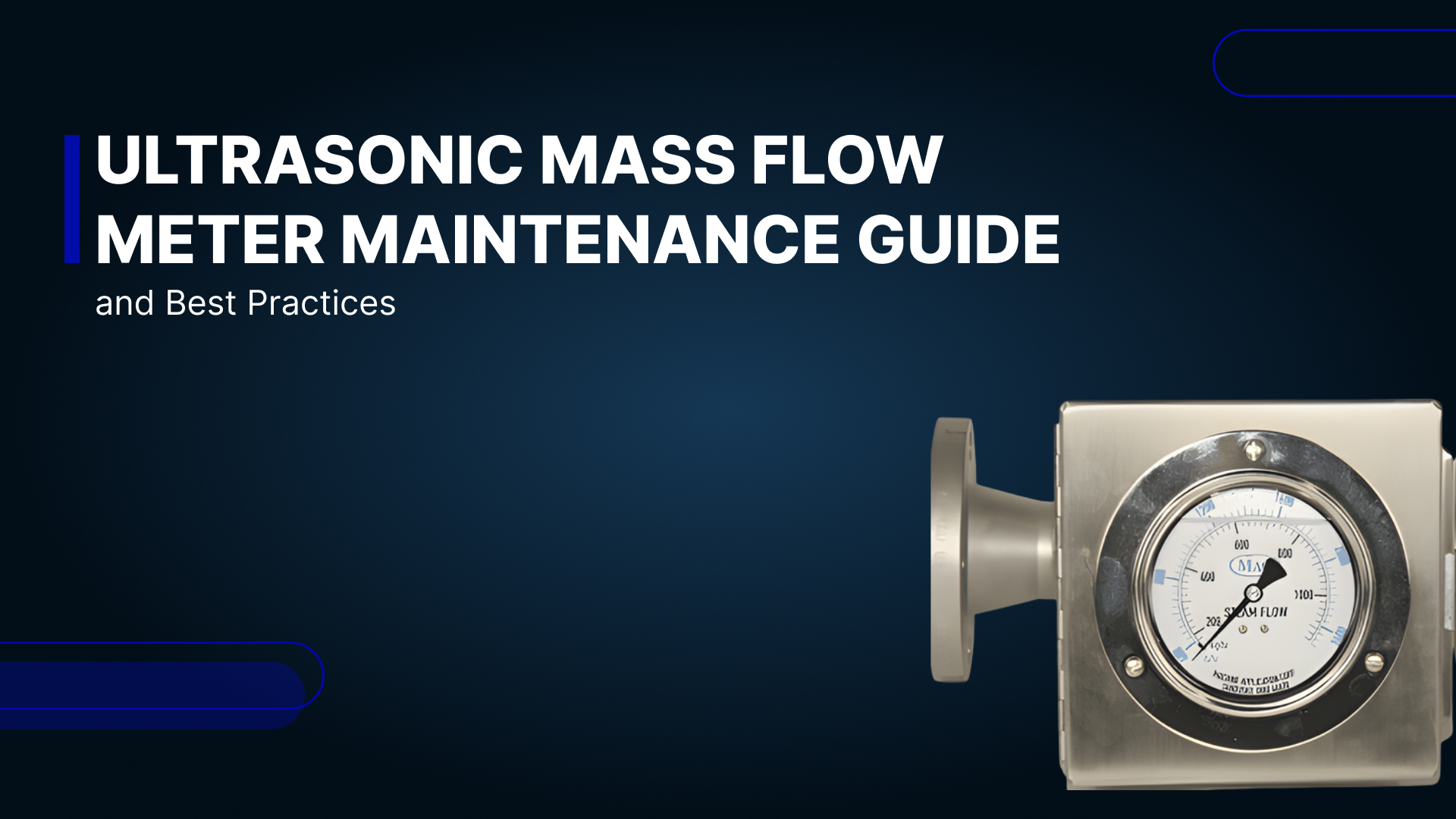
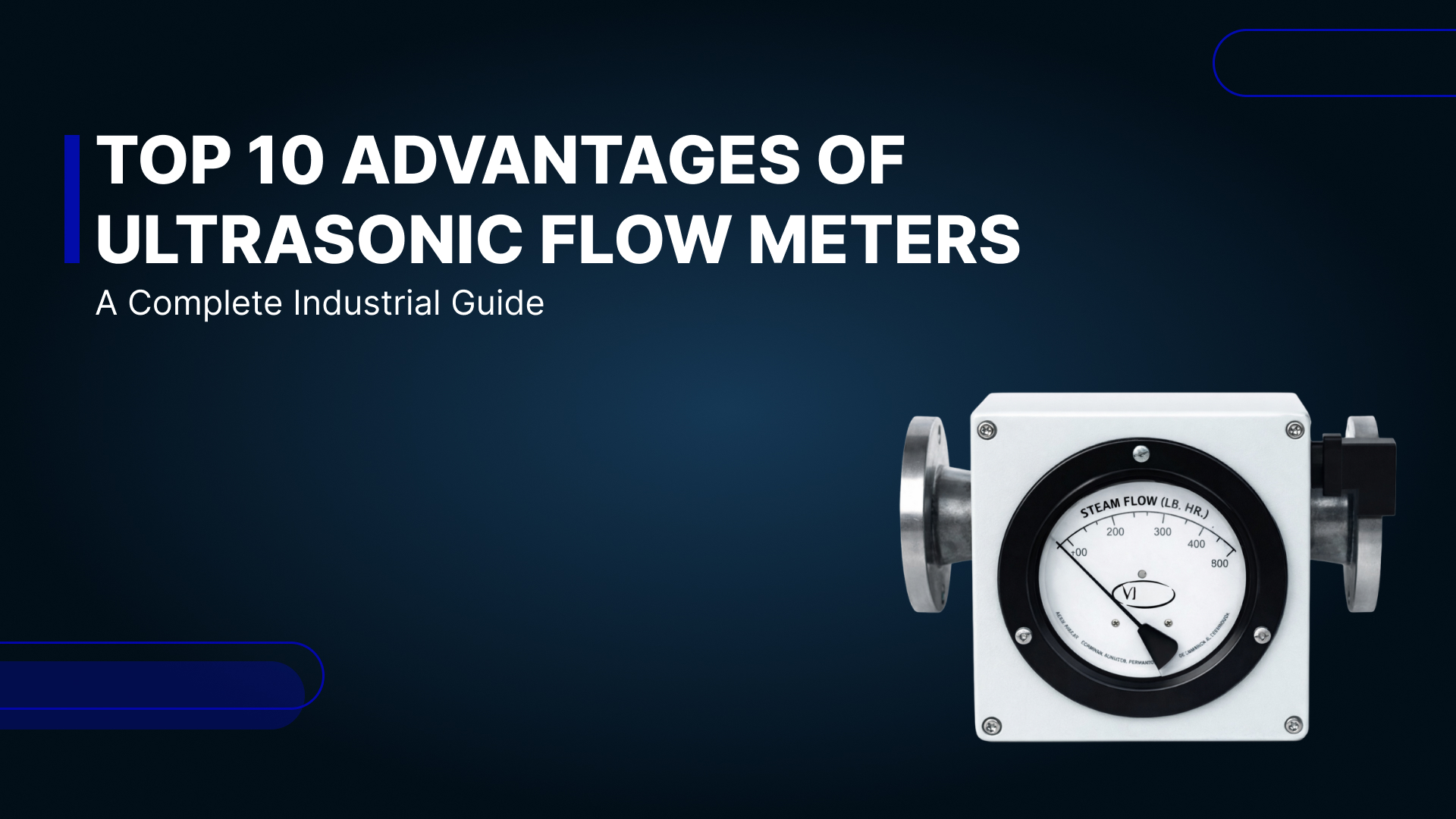
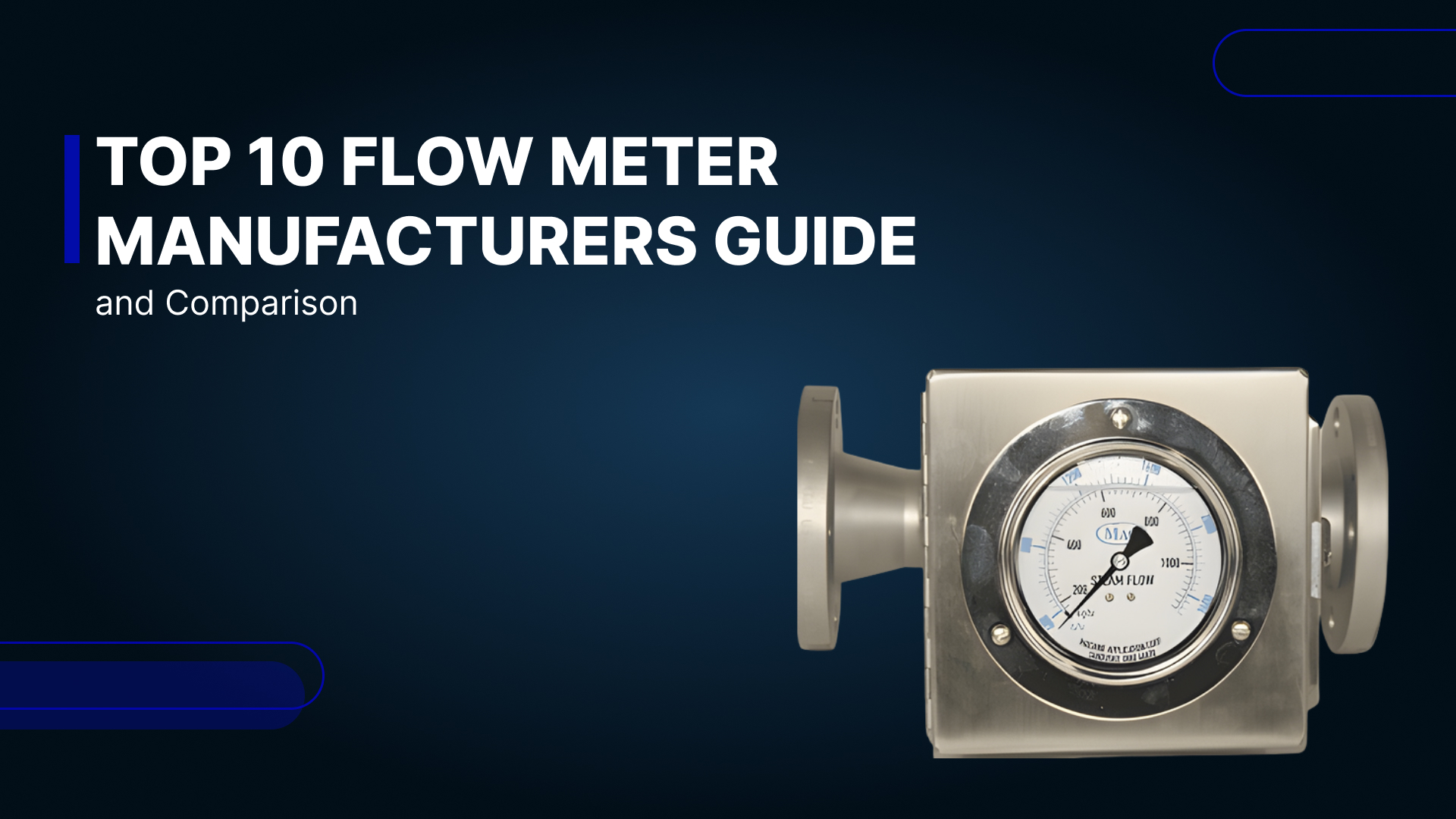
Its steam flow meters and transmitters are used where steam injection, thermal processing, and energy accountability are part of the process, such as ovens, dryers, blanchers, furnaces, and similar environments.
What differentiates this class of solution is focus. Rather than covering every flow technology, MAC’s designs address the conditions that make steam measurement difficult over time: sustained high temperature, moisture presence, and harsh process environments.
In plants where steam flow is directly tied to process control, efficiency, or reporting, this specialization often reduces long-term uncertainty compared to adapting general flow meters beyond their comfort zone.
How to Evaluate Flow Meter Manufacturers for Your Application
Once you move past brand familiarity, the real question is whether a manufacturer’s strengths line up with how your process actually runs over time. The points below help you pressure-test fit before a flow meter becomes embedded in control logic, reporting, and operating habits.
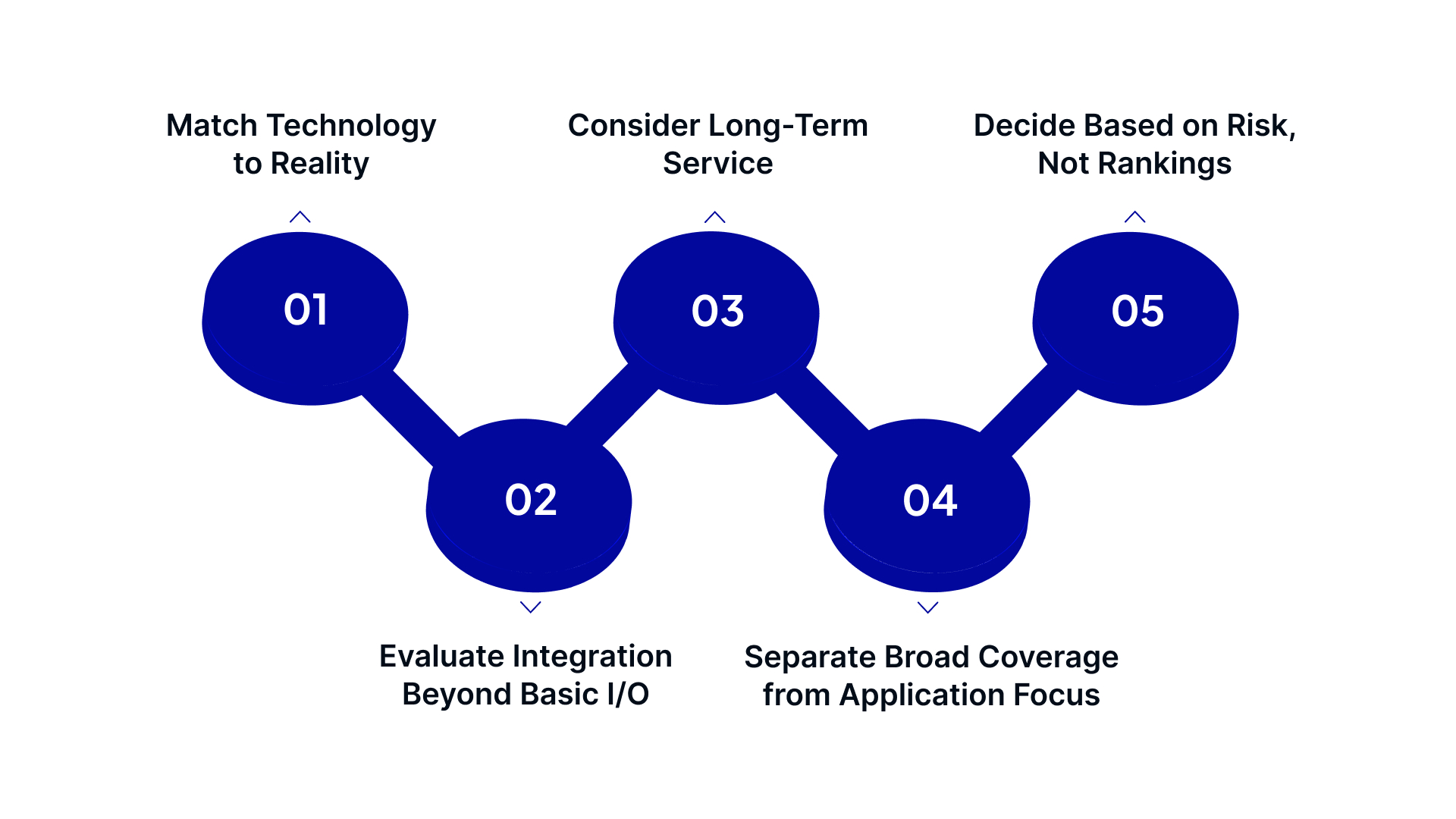
Match the Measurement Technology to the Process Reality
Start with the fluid and conditions, not the catalog. Liquids, gases, and steam behave differently under temperature swings, pressure changes, and load variation. Many manufacturers cover multiple technologies, but only some designs remain stable when conditions drift from ideal.
What to watch for:
Technologies that rely on assumptions (density, composition, phase stability) can degrade quietly.
Steam applications often narrow the field quickly because phase behavior and heat stress expose weaknesses.
Evaluate Integration Beyond Basic I/O
Most flow meters will output a signal. Fewer integrate cleanly into how you actually operate the plant.
Questions that matter:
Does the signal stay stable during startups, shutdowns, and upsets?
Will you need heavy filtering or manual interpretation to make it usable?
How well does it fit your existing PLC/DCS standards and diagnostics?
Consider Long-Term Service and Calibration Reality
Manufacturer choice affects how measurement is supported years after installation.
Practical considerations:
How calibration is performed in service, not just in theory
Availability of field support and replacement components
Whether maintenance requirements match your actual staffing and access constraints
Separate Broad Coverage from Application Focus
Large manufacturers offer breadth, which is valuable for standardization across many use cases. At the same time, breadth can mean compromises in applications that fall outside the norm.
Where this shows up:
General flow meters adapted to steam or high-temperature service
Utility measurements that quietly become process-critical over time
This is where specialists enter the evaluation, not to replace general manufacturers, but to address specific process risks that broader portfolios are not designed around.
Decide Based on Risk, Not Rankings
A “top” manufacturer is only the right choice if it reduces uncertainty in your application. For conventional liquid and gas flow, the leading brands perform well. When flow measurement becomes tied to steam usage, thermal processing, or energy accountability, manufacturers built around those conditions, such as MAC Instruments for steam flow, work as a better choice.
Choose the manufacturer whose strengths align with the failure modes you cannot afford, not the one with the longest brochure.
Conclusion
Choosing a flow meter manufacturer is less about brand and more about whether the measurement stays reliable once it is part of control logic, reporting, and daily operations. Differences usually appear over time through drift, integration issues, maintenance effort, or growing doubt in the data. Manufacturer fit is therefore a risk decision, not a marketing one.
For steam and high-temperature processes, that risk narrows the field. When steam flow affects control, energy use, or accountability, treating it as a generic flow application often adds long-term uncertainty. In such cases, evaluating a steam-focused manufacturer like MAC Instruments, rather than adapting a general solution, offers a more defensible path. Checking how MAC’s approach performs under your actual conditions can help validate the choice before an upgrade, audit, or process change forces the issue. Reach out today!
Frequently Asked Questions
Are all top flow meter manufacturers suitable for steam applications?
No. Many leading manufacturers excel at liquid and gas flow, but steam introduces high temperature, phase behavior, and energy-accounting challenges that narrow the field quickly. Not all flow technologies are designed to remain stable in sustained steam service.
Why do flow meter issues often appear months after installation?
Most problems are driven by drift, fouling, or integration assumptions that only surface under continuous operation. The instrument may continue to output a signal even as the measurement quality degrades.
When should steam flow be treated differently from other flow measurements?
When steam directly affects process control, thermal performance, energy cost, or reporting, it becomes more than a utility metric. In those cases, the measurement needs to be evaluated as a process-critical variable.
Is a general-purpose flow meter ever sufficient for steam?
Yes, when steam is monitored at a high level and small inaccuracies do not materially affect decisions. As soon as steam data feeds optimization, alarms, or accountability, limitations become more consequential.
How should integration influence manufacturer selection?
Beyond basic signal compatibility, the key question is whether the flow signal remains stable and usable during startups, shutdowns, and upsets. Integration issues often create more operational risk than sensor failure.